 SKIP TO
CONTENT
SKIP TO
CONTENT

Understanding Community Property and Separate Property in Texas
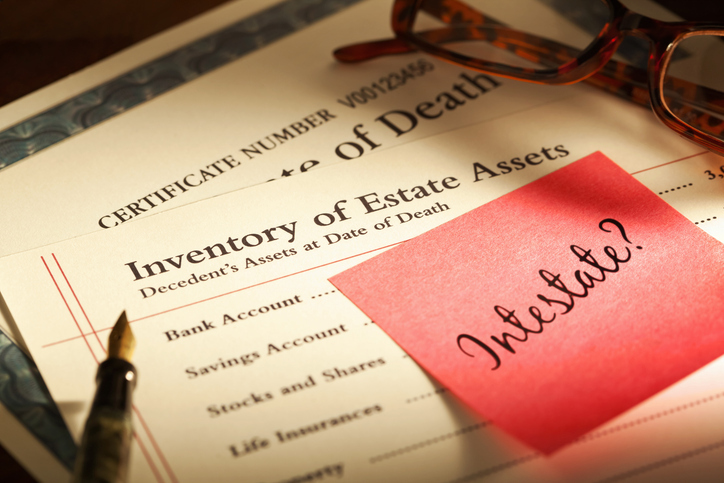
In Texas, whether your property is considered community property or separate property can completely change who inherits it if you pass away without a Will. These rules are often misunderstood, yet they play a major role in Texas estate planning, Texas probate, and protecting your family’s future. This guide covers the top questions people ask about how Texas law treats community property and separate property when someone dies without a Will.
What Is the Difference Between Community Property and Separate Property in Texas
Community property includes everything acquired during a marriage. This can include income, real estate, retirement accounts, cars, and even debt. It does not matter whose name is on the title. If it was gained during the marriage, Texas law usually treats it as community property.
Separate property includes what you owned before the marriage. It also includes gifts and inheritances received during the marriage. Personal injury damages are also treated as separate property. For individuals who are not married, all property is considered separate property.
The distinction matters because the Texas Estates Code applies different inheritance rules depending on whether an asset is classified as separate or community property. These differences may impact your family significantly if you pass away without a Will.
What Happens to Community Property If You Die Without a Will in Texas
If someone dies without a Will, they die intestate. In an intestate estate, the Texas Estates Code determines who inherits the community property.
If you are married and have no children, your spouse inherits your share of all community property. If you have children, the outcome depends on whether all your children are with your spouse or if you have children from another relationship.
If all your children are from your spouse, your spouse inherits your share of the community property. This creates a straightforward transfer of ownership.
If you have children from a previous relationship, the rule changes. Your spouse keeps their one-half of the community property, but your one-half passes to your children. This can lead to shared ownership of your home, vehicles, or bank accounts between your spouse and your children, which often causes tension and complications in Texas probate cases.
What Happens to Separate Real Property Without a Will
Separate real property includes real estate you owned before marriage, inherited property, or mineral interests. The Texas Estates Code has specific rules for how this property is inherited.
If you have children, your spouse receives a life estate in one-third of your separate real property. This means your spouse can use the property for life, but does not gain full ownership. The remaining two-thirds passes directly to your children.
If you do not have children, your spouse still receives a one-third life estate. The remaining two-thirds goes to your parents or siblings. These arrangements often create complex co-ownership issues that must be resolved through the Texas probate process.
How Separate Personal Property Is Inherited in Texas
Separate personal property includes items you owned before marriage and gifts or inheritances received during the marriage. This can include collectibles, jewelry, vehicles, or financial accounts that do not name beneficiaries.
If you do not have children, your spouse inherits all your separate personal property. If you have children, your spouse receives one-third, and your children receive two-thirds. This division can create significant co-ownership challenges during probate, especially when heirs disagree on how to divide financial accounts or valuable personal property.
Is Probate More Expensive When You Die Without a Will
Probate is not always required, but when it is, probating an intestate estate is almost always more expensive and more complicated than probating a valid Will.
Many intestate estates require the appointment of a court-supervised administrator. If all heirs agree, the court can appoint an independent administrator. This process still involves more than $1,000 in court costs.
If the heirs do not agree, or if any heir is a minor, the court must appoint a dependent administrator. This option is slower, more expensive, and requires court approval for nearly every financial decision. The administrator must also post a bond, which can be costly, and the case will require more hearings, more paperwork, and more attorneys’ fees.
Having a valid Texas Will greatly reduces these expenses. It allows assets to be transferred efficiently and minimizes conflict among family members.
Protecting Your Estate and Avoiding Unnecessary Probate Problems
Understanding how community property and separate property work in Texas is essential for anyone planning their estate. Without a Will, the Texas Estates Code will control how your property is divided, and the results may not match your intentions.
If you want to make sure your property passes the way you intend and you want to reduce stress and expense for your family, proper Texas estate planning can make a significant difference.
Protect Your Legacy with a Thoughtful Estate Plan
If you want help preparing a Will, understanding Texas community property rules, or navigating Texas probate, reach out to J Nichols Law, PLLC, today. We are here to help you create a plan that protects your wishes, your family, and your legacy.